
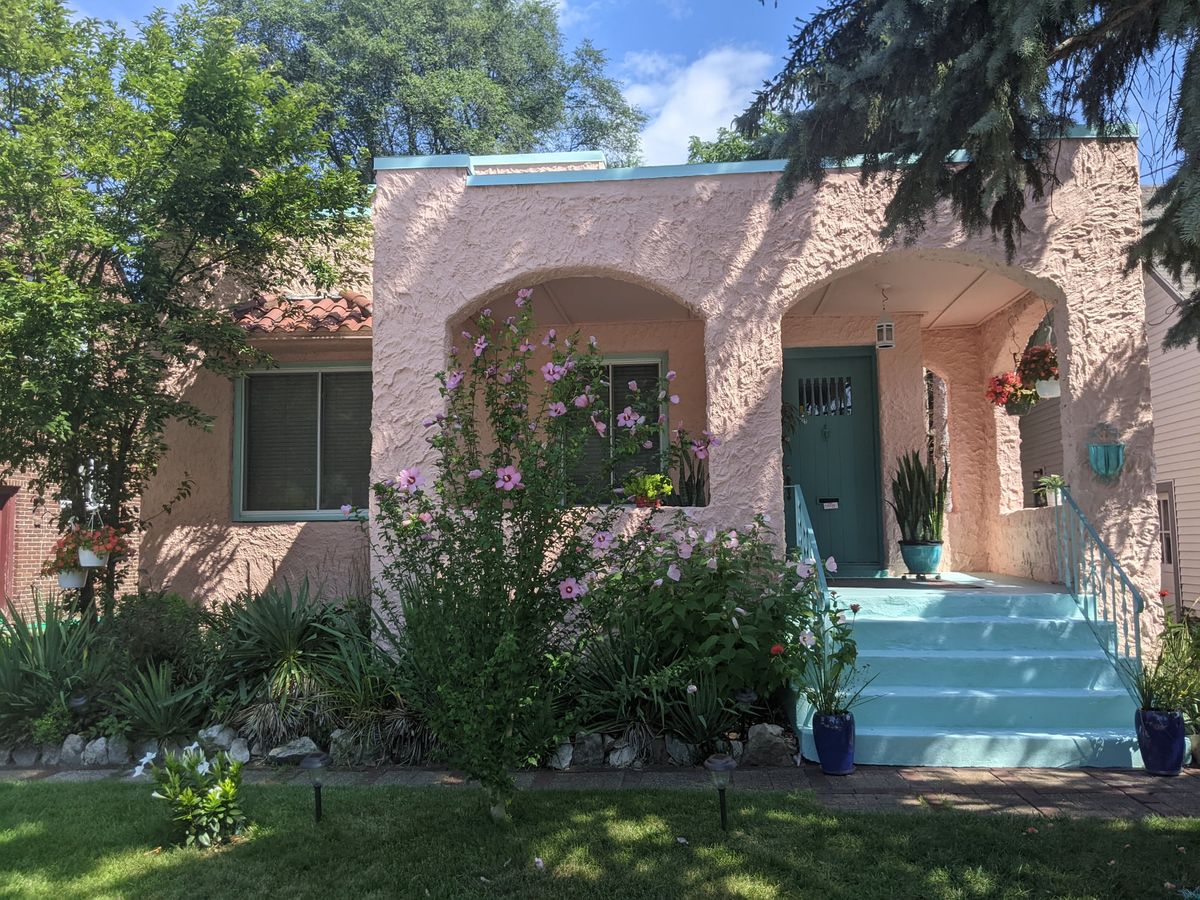
The Answer: For most homes in Arizona, repainting every 7–10 years is a good general rule of thumb, though high-exposure areas may need attention every 5–7 years.
Maintaining your home’s exterior enhances its aesthetic appeal and protects it from environmental damage. Arizona’s unbearable heat and high UV radiation have a significant impact on stucco and other exterior materials.
This guide explores the key factors influencing repainting frequency and provides actionable guidelines to protect your investment.
The Arizona Climate & Its Impact on Paint
Intense UV Radiation
Arizona’s extreme UV levels break down the chemical bonds in paint, causing it to fade, chalk, and deteriorate faster. Additionally, thermal expansion during scorching days and cooling contraction at night stresses the paint film, leading to premature cracking if lower-quality products or improper techniques were used.
Summer Monsoon Season
The annual monsoon season brings heavy downpours, high humidity, and powerful winds. Water can seep into hairline stucco cracks, accelerating damage to both the paint layer and the underlying building materials.
Factors Influencing Repainting Frequency
Quality of Paint: High-quality, 100% acrylic exterior paints are specifically formulated to withstand severe UV radiation and extreme thermal fluctuations.
Preparation & Application: Thorough surface cleaning, stucco patching, and using a proper primer significantly extend lifespan. Applying paint within optimal temperature windows is also critical.
Color Choice: Lighter shades reflect solar radiation and resist fading far better than dark colors, which absorb heat and deteriorate faster.
Home Exposure & Orientation: South- and west-facing walls receive prolonged, direct sunlight and typically experience more rapid paint breakdown.
Maintenance Routine: Addressing small stucco chips, sealing hairline cracks, and keeping bugs or moisture away can stretch your paint job’s lifespan up to 10–20 years.
Repainting Frequency Guidelines
1. The Standard Schedule: Every 5–7 Years
For average homes with high-quality paint and standard weather exposure, repainting every 5 to 7 years keeps the protective shell intact against sun and rain.
2. High-Exposure Areas: Every 3–5 Years
South- or west-facing walls with minimal shade may require touch-ups or full repaints on a tighter 3-to-5-year cycle due to aggressive UV exposure.
3. Protected / Shaded Areas: Every 7–10 Years
Well-shaded walls or sheltered architectural features experience slower degradation and can comfortably go 7 to 10 years between full repaints.
Key Signs It’s Time to Repaint
Keep an eye out for these visual indicators that your exterior protection is failing:
Fading: Significant color loss, particularly on sun-baked walls.
Chalking: A powdery residue on the surface when you run your hand across the wall.
Cracking & Peeling: Exposed underlying stucco or wood vulnerable to water damage.
Blistering: Bubbles formed by trapped moisture underneath the paint film.
Mildew or Mold: Spores forming in shaded, damp micro-climates around the home.
Pro Tip: Always Apply Two Coats on Stucco!
Always insist on two full coats when painting stucco. Paint is a protective waterproof barrier, not just a cosmetic layer. Two coats add essential thickness to resist cracking, prevent moisture penetration, and deliver a uniform sheen.
Summary Checklist
For a Flawless Finish: Paint every 5 years.
For Maximum Longevity: Perform annual inspections, wash off chalky residue, seal cracks under ¼″ with caulk, and your coat can last 10–20 years.